Find out how a General Contractor (GC) Can Improve Performance and Achieve Success in Your Construction Endeavors
A general contractor plays an essential role in the building sector. Their expertise streamlines project management, leading to enhanced efficiency and positive results. By managing communication among project participants and using their connections with subcontractors, they guide the complexities of building endeavors. Understanding local building codes also reduces potential compliance issues. This prompts a vital inquiry: how do these factors interact to improve the building process?
The Role of a General Contractor
A commercial general contractor orchestrates the complex process of construction projects, ensuring that every aspect runs without issue from beginning to end. They are the central point of communication, liaising between various involved parties, including owners, subcontractors, and suppliers. This role involves meticulous planning, scheduling, and budgeting to meet project timelines and budgetary limits.
The contractor oversees all construction activities, making sure they follow with building codes, safety regulations, and quality requirements. They are in charge of acquiring necessary permits and addressing any legal requirements related to the project. Furthermore, they manage the workforce, giving jobs to skilled tradespeople while watching output and productivity.
In addition to overseeing daily operations, the contractor resolves any problems or delays that arise, modifying plans as necessary to keep the project on track. This extensive oversight is crucial for reducing risks and securing the successful completion of commercial building projects.
Benefits of Employing a GC
Working with a general contractor yields several benefits that can vastly boost the efficiency and success of a construction job. One major advantage is their expertise in managing complex projects, facilitating easier communication among various parties involved. This consolidation reduces miscommunication and mitigates potential delays.
Moreover, general contractors possess established relationships with subcontractors and suppliers, ensuring timely access to high-grade supplies and skilled labor. This network often results in lower costs and faster completion times.
Contractors provide a lot of expertise concerning local construction laws and rules, which prevents legal issues and costly fines.
In addition, hiring a general contractor allows project owners to focus on their main business goals, instead of dealing with day-to-day construction administration. Overall, the involvement of a general contractor leads to a better structured, efficient, and positive construction outcome, which ultimately results in a better ROI.
Core Duties in Construction Oversight
Good project oversight relies on several key responsibilities that a general contractor has to fulfill throughout the construction process. Central to this role is setting up a precise project outline, which specifies the goals, schedules, and cost restrictions. The contractor collaborates with various stakeholders, such as architects, subcontractors, and vendors, guaranteeing seamless communication and cooperation.
Moreover, they manage resource distribution, controlling manpower and supplies to optimize efficiency. Evaluating risks is also a vital duty, as the contractor has to spot potential problems and put strategies in place to reduce them. Regular progress monitoring is essential; the contractor reviews progress made compared to project goals, modifying plans when needed to maintain the timeline.
In addition, a general contractor makes certain they follow safety regulations and building codes, promoting a secure job site. By fulfilling these duties, they ensure a comprehensive method to project management, ensuring positive outcomes for construction efforts.
Methods GCs Use for Timely Project Delivery
While challenges in construction timelines are common, general contractors employ strategic planning and active administration to ensure projects finish on schedule. They begin by developing detailed timelines that specify all project phases, listing key stages and due dates. By breaking the project into discrete units, they can allocate resources effectively and predict future holdups.
Frequent status checks is another critical aspect; general contractors assess project status relative to the original plan, permitting changes when needed. They also engage in risk management, spotting possible problems soon and developing alternative plans to mitigate disruptions.
Furthermore, general contractors maintain strong relationships with subcontractors and suppliers, making sure supplies and workers are ready at the right time. This preemptive measure encourages responsibility for every participant, resulting in a smoother operation. Finally, these approaches bring about improved productivity, decreasing the possibility of cost overruns and ensuring that projects are completed on schedule.
Enhancing Communication and Teamwork at the Jobsite

To boost information flow and teamwork at job sites, general contractors implement structured processes that streamline communication between every member of the team. These processes often include routine check-ins, defined ways to report problems, and the use of digital tools that enable immediate status reports. By establishing a framework for dialogue, contractors ensure that all stakeholders—architects, subcontractors, and workers—agree upon project goals and timelines.
Furthermore, promoting openness allows issues to be resolved quickly, decreasing the possibility of misunderstandings that might cause holdups. They also solicit opinions from all levels of the workforce, recognizing that insights from on-site personnel can greatly enhance project effectiveness. By focusing on dialogue and collaboration, general contractors do more than just optimize processes but also boost employee satisfaction, which helps ensure the success of building projects. The result is a more cohesive work environment where challenges are met with collective problem-solving.
Commonly Asked Questions
Which Credentials Should I Seek in a General Contractor?
When seeking a general contractor, one should look for attributes such as licensing, insurance, experience in relevant projects, strong references, and good communication abilities. These factors contribute greatly to successful project execution and complete client happiness.
How Do General Contractors Handle Project Budgeting?
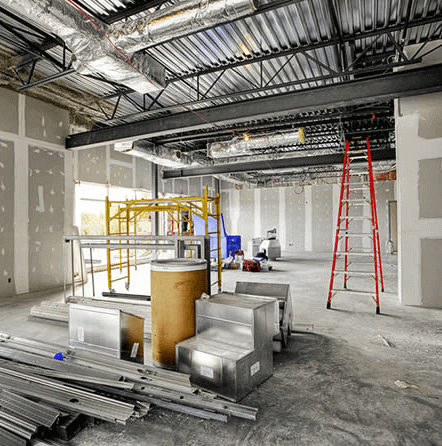
General contractors oversee project costs by determining prices, securing bids from subcontractors, get started keeping tabs on spending, and modifying budgets when needed. Hickory top rated Commercial General Contractor. They make certain that money match the job's needs, boosting productivity and lessening fiscal dangers
Will a General Contractor Aid With Permits and Regulations?
Absolutely, a GC is able to help with permits and regulations by guiding through the complex requirements, making certain local statutes are followed, and streamlining the submission procedure, which speeds up the job's progress and reducing possible holdups for customers.
What Is the Typical Timeline for Selecting a GC?

The typical timeline for hiring a general contractor spans a few weeks to several months, depending on project complexity, contractor availability, and how quickly the client makes decisions, which ensures proper planning and alignment with the construction goals. - Hickory top rated Commercial General Contractor
- Hickory top rated Commercial General Contractor
In What Ways Do General Contractors Effectively Handle Subcontractors?
General contractors manage subcontractors effectively by establishing clear communication, setting defined expectations, keeping a close eye on progress, and managing the coordination of schedules. General contractors ensure all parties know their roles, promoting teamwork to keep the project on schedule and copyright quality standards.